

There is something about a running event that is difficult to replicate anywhere else in sport. Thousands of people gather at the same starting line, but very few are competing against one another in the conventional sense. Some are hoping to win. Others are chasing personal bests. Many simply want to finish. And for a growing number of participants, getting to the starting line is an achievement in itself. That last group deserves particular attention. The latest UK participation figures suggest first-time racers are playing an increasingly important role in the growth of mass participation running. For event organisers, brands and retailers, understanding these newcomers could be essential to the industry’s future.
Participation continues to grow
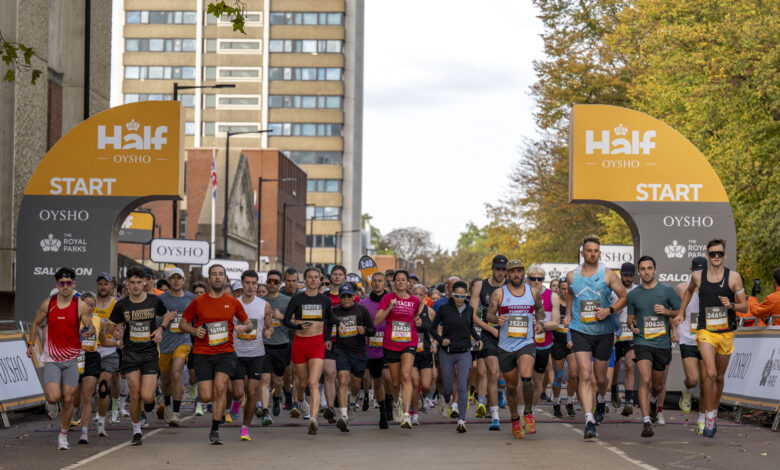
Data published by Motiv Sports UK in October 2026 showed that more than 82,000 people had participated in its events during the year. That compares with 63,000 in 2024. The figures are encouraging, but there is something even more interesting beneath the overall growth. Almost 17,000 participants were attempting their chosen race distance for the first time. At the HOKA Hackney Half, nearly 60% of the field had never previously taken part in that particular event. These are significant numbers. They suggest that organised running is continuing to attract people who are relatively new to the event experience, rather than relying entirely on the same established participants returning year after year. For the running industry, that is an important distinction.




The changing motivation to race
Not everybody enters a race because they want to run faster. Some are raising money for charity. Others are completing a personal challenge or joining friends who have already entered. There are runners using events to mark a birthday, celebrate recovery from illness or establish a healthier lifestyle. For many, the experience matters as much as the finishing time. That does not diminish the competitive element of running. Elite performances and serious club competition remain central to the sport. But the wider events industry increasingly serves an audience with very different expectations. These participants want an enjoyable experience, clear information and the confidence that they will be welcomed regardless of their ability. They are also customers. Their experiences will influence whether they return, recommend an event to friends or decide that organised running is not for them.
The importance of the first event
Think back to the first time you entered an unfamiliar event. Even relatively straightforward details can seem complicated. Where do you park? How early should you arrive? What happens to your bag? Where do you stand at the start? What if you need to walk part of the course? Experienced runners take much of this knowledge for granted. Newcomers do not. Event organisers that want to attract first-time participants need to examine the entire customer journey. That begins before somebody enters. Websites should explain the experience clearly, including course difficulty, expected finishing times, facilities and any restrictions. Cut-off times should be easy to find and presented without making slower runners feel unwelcome. Communication should continue after registration, helping participants understand what to expect and how to prepare. The objective is not to remove the challenge. It is to remove unnecessary uncertainty.
A commercial opportunity for running retailers
First-time race participants represent a particularly interesting customer group. Many will be buying equipment specifically for their event. They may need running shoes, suitable clothing, socks, hydration products or accessories. Some will already own much of what they need, while others may be purchasing specialist running equipment for the first time. This creates an opportunity for retailers to establish relationships that extend well beyond the race itself. A local running shop could work with event organisers to provide beginner information evenings, footwear advice or training sessions. It could offer practical guidance on preparing for a first 10K or half marathon. Importantly, that advice should be realistic. A beginner does not need to purchase every product displayed in a specialist running store. Retailers that recognise this are more likely to earn trust. And trust can develop into a long-term commercial relationship.
Events are becoming experiences
There is also a wider shift in what participants expect from organised running. For many runners, an event is no longer simply a measured course with a timing chip. It is a day out. They may travel with friends or family, visit local businesses and spend time enjoying the atmosphere before and after the race. That creates opportunities for event organisers to work with local hospitality businesses, retailers and community organisations. The strongest events can become important parts of their local economies. But there is a balance to be struck. Additional entertainment and commercial activity should improve the participant experience rather than distract from the quality of the event. Good organisation, clear communication, appropriate medical provision and a well-managed course remain fundamental. No amount of branding can compensate for getting those basics wrong.
Younger runners are making their mark
Strava’s 2025 Year in Sport research also suggests a strong interest in racing among younger participants. Its UK report showed substantial year-on-year increases in the share of Gen Z runners recording races across distances from 5K to marathon. The global research found that Gen Z respondents were 75% more likely than Gen X respondents to identify a race or event as their main motivation for exercise. That is encouraging for an industry that needs to develop its next generation of participants. It also raises questions about how events communicate. Younger runners may discover races through social media, running clubs or recommendations from friends rather than conventional advertising. Event organisers need to understand these routes into participation without assuming every younger customer behaves in the same way.
The challenge of rising costs
There is, however, a potential problem. Running events can be expensive. Entry fees, travel, accommodation and equipment can quickly turn a relatively accessible activity into a substantial financial commitment. Organisers face genuine costs, including road closures, insurance, staffing, medical support and event infrastructure. Those costs cannot simply be ignored. But the industry should remain conscious of affordability. If participation becomes increasingly expensive, it risks excluding people who would otherwise benefit from the experience. There may be opportunities for shorter-distance events, community partnerships, accessible entry schemes and more transparent explanations of what entry fees cover.
Making running genuinely inclusive
The next stage of growth will also depend on how effectively events welcome people who do not fit the traditional image of a runner. That includes slower participants, older beginners, people with disabilities and those returning to activity after a long break. Accessibility is not simply a matter of offering an additional entry category. It requires attention to registration, communication, facilities, course design and the experience of participants throughout the event. The same applies to the language used in marketing. An event can be challenging and ambitious without making less experienced runners feel they do not belong.
What happens after the finish line?
Perhaps the biggest opportunity lies in what happens next. A runner who completes their first event has already demonstrated commitment. They have trained, entered and achieved something important to them. The question is whether the industry helps them continue. Event organisers could build stronger relationships with local clubs and retailers. Brands could provide practical advice rather than simply promotional offers. Participants could be encouraged towards suitable future challenges without feeling pressured to enter increasingly difficult events. Not everybody needs to progress from 5K to marathon. For some people, completing a local 10K every year will be more than enough.
A positive direction for the industry
The growth in first-time racers is encouraging because it suggests running continues to appeal to people beyond its established audience. But it also places greater responsibility on the businesses and organisations serving them. Newcomers need clear information, appropriate products and an experience that encourages them to return. The industry has an opportunity to turn a single race entry into a lasting relationship with running. That is where the real value lies. The most important result at many events may not be the winning time. It may be the number of people who finish already looking forward to their next run.
Further reading