


Searches for “running club” in the UK now exceed 94,000 a month, a 13% increase over the past quarter, highlighting a growing appetite for community, motivation, and structured training. Yet, while 24% of Brits report they’ve been influenced to make a purchase because of social media, platforms like Instagram and TikTok are playing an increasingly influential role in driving interest (#RunTok) and spending.
As running continues to surge in popularity, credit card brand Aqua surveyed 2,000 UK adults to uncover the true cost of becoming a runner, what parts are most expensive, and explore the top motivations driving people to hit the pavement. In addition, they have provided tips on how to get into running on a budget to avoid any unnecessary spending.




You can view the full research here: https://www.aquacard.co.uk/building-better-credit/the-true-cost-of-being-a-runner
New data reveals that the average cost to start running can cost Brits over £1,000
Data shows that the average total cost of starting to run in the UK is £1,029, covering items like clothing, running shoes, energy gels, and headphones.
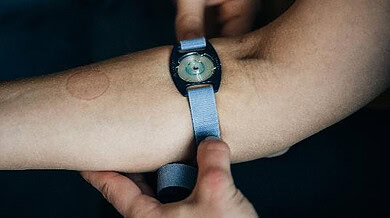
The priciest item is a sports watch, averaging £545, widely used to track mileage, monitor progress, and aid recovery. In contrast, budget-friendly essentials such as anti-chafing balm and electrolytes come in at around £13 each. Running shoes, crucial for injury prevention and comfort, typically cost around £125 per pair.
| Running item | Average cost |
| Anti-chafing balm | £13 |
| Running gels/electrolytes | £13 |
| Running top | £45 |
| Running trousers/shorts | £55 |
| Training app (annual cost) | £100 |
| Running shoes | £125 |
| Running headphones | £133 |
| Sports watch | £545 |
| Total | £1,029 |
UK runners spend an average of £189 a year on gear, with Norwich leading the pack
UK runners spend an average of £189 annually on running gear, with those aged 25–44 spending the most at £223 per year. When examining what Brits found to be the most expensive, 51% of runners in the UK cite running shoes as the most costly purchase, with Brits spending an average of £138 on running trainers in the past year.
At a city level, Norwich tops the list with an average annual spend on running equipment of £278, followed by Leeds at £262. The data also shows a gender gap in spending, with men spending 22% more than women (£203 vs. £164 annually).
| Annual spend on running equipment | Percentage of respondents |
| Under £50 | 15% |
| £50 – £150 | 31% |
| £151 – £300 | 24% |
| £301 – £500 | 16% |
| Over £500 | 2% |
Manchester is named the UK’s running capital, with Belfast and London close behind
Our research highlights the UK cities with the highest number of active runners, and Manchester comes out on top, with 40% of residents regularly taking to the streets, and have spent on average £203 in the last year on running gear.
Belfast ranks second, reflecting a growing commitment to health and wellness, and spending an average of £136 on running gear in the past year. London follows in third place, with 38% of residents finding time to run despite the city’s fast-paced lifestyle, and spending an average of £199 on running gear annually.
| Rank | City | Total current runners (ranked) | Average amount spent on running items in the past year |
| 1 | Manchester | 40%* | £203 |
| 2 | Belfast | 40% | £136 |
| 3 | London | 38% | £199 |
| 4 | Glasgow | 35% | £203 |
| 5 | Birmingham | 33% | £189 |
| 6 | Edinburgh | 30% | £175 |
| 7 | Bristol | 28% | £179 |
| 8 | Liverpool | 27% | £187 |
| 9 | Cardiff | 26% | £123 |
| 10 | Leeds | 23% | £262 |
*Rankings are not tied because the percentages differ when rounded to one decimal place
Improving physical fitness and mental health are Brits’ top two motivators for running
Ranking as the primary motivator for getting out on a run is improving physical fitness, with 52% citing it as their main motivation. Thanks to its low barrier to entry, all that is needed is a good pair of trainers, and running remains one of the most accessible ways to stay active.
Mental health and stress relief come in second, with 37% of runners saying they hit the pavement to clear their minds. Weight loss and body transformation round out the top three motivations, with 26% choosing running to support their fitness goals. Its flexibility and affordability make it easy to fit into everyday routines.
57% of runners feel pressure to spend on gear, but it doesn’t have to be costly
Sharvan Selvam, Commercial Director at credit card brand Aqua, says, “Our research revealed that well over half of the country’s runners feel pressured to spend on running, from having the latest tech to a stylish kit. However, this is one of the most financially accessible ways to stay active, and it doesn’t have to come with a heavy price tag. There are a number of ways that you can still be a runner, without breaking the bank:
- Shop smart: Buy secondhand or discounted gear on platforms like Vinted, eBay, and Depop, often in near-new condition for a fraction of the price.
- Train for free: Skip pricey subscriptions with free training plans from YouTube, Strava, Nike Run Club, or programs like Couch to 5K.
- Join a community: Get motivation and support through affordable clubs or free events like parkrun, found on platforms like RunTogether or Meetup.
- Fuel for less: Swap expensive nutrition products for low-cost alternatives like honey, dried fruit, homemade electrolyte drinks, and recovery smoothies.
You can find the full research, along with expert insights on holiday spending, here: https://www.aquacard.co.uk/building-better-credit/the-true-cost-of-being-a-runner