

As running-shoe collections become more specialised, the explanation of a range matters as much as the number of models in it. Mizuno’s latest Hyperwarp announcement offers a useful example of that challenge.
Four different roles
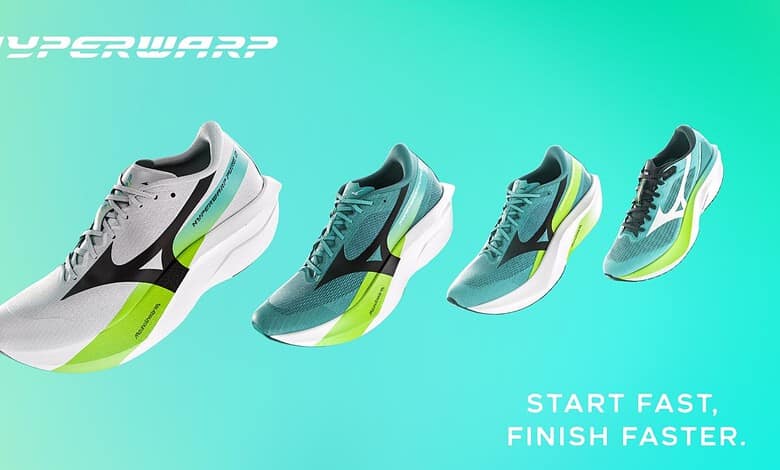
Mizuno’s Singapore announcement sets out Hyperwarp Pure 2, Elite 2, Racer and Pacer. The brand positions Pure 2 towards racing, Elite 2 around a combination of response and comfort, and Racer as a more accessible race option. Pacer is described as a training model without a plate.
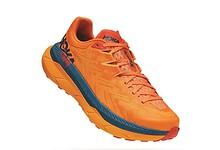


Those are manufacturer descriptions, not findings from an independent test. The announcement concerns the Singapore market; UK availability and specifications should be confirmed through the relevant retailer or distributor.
Running Insights analysis: translate the names
For a runner comparing unfamiliar models, a name alone offers little guidance. A retailer could explain the intended role of each option before discussing materials or construction. Is the customer looking for an everyday training shoe, a faster-session option or a race-day comparison?
Starting there would help prevent a collection from becoming a ladder in which the most expensive item appears to be the inevitable destination. Different purposes can justify different choices.
Make comparisons specific
A useful fitting conversation should connect the runner’s requirements with the exact model being tried. Staff can explain the brand’s positioning while asking how the shoe feels and whether its fit is appropriate. Claims about performance should remain attributed and should not become a guarantee of an individual result.
Retailers should also be careful with similarities in naming. A new generation, regional variation or different construction can make a familiar label an unreliable shortcut. Current supplier information belongs alongside the demonstration.
Give the customer time to understand
A small comparison card could show intended use, key construction differences and available sizes. Keeping it concise would allow the conversation to focus on the runner rather than on decoding terminology.
Customers should leave knowing why they selected one model and what they decided against. That explanation can be brief: the point is a confident decision rather than a technical examination.
What buyers should ask next
Before adding another specialised shoe, a buyer could identify the gap it fills in the current range. Does it serve a customer need that staff already encounter, and can the shop keep useful size coverage?
Supplier training and clear product information are part of that assessment. A wider range becomes an advantage when the differences are easy to explain and relevant to the people who shop there.
Image: Mizuno.
Sources