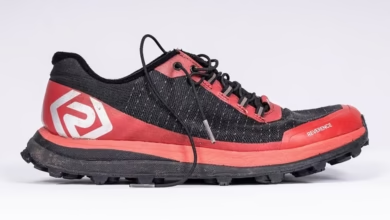


SportsShoes.com and Ochy have launched free gait analysis for SportsShoes Ultra account holders. Users submit a 10-second running video and receive a report in under a minute. The company describes measures covering posture, cadence, pelvic stability, lower limb alignment, symmetry and footstrike. It links reports to its catalogue of more than 150 brands. SportsShoes says 25% of runners in its 2026 Running Report have had gait analysis, compared with fewer than 7% a year earlier.
What a ten-second video can reveal
Several practical implications follow from the announcement. First, the headline should be separated from what has actually been confirmed. The organisation has described a development and its intended benefits; the long-term outcomes will depend on implementation. For readers following the UK running sector, that distinction matters because ambitious launches and appointments can generate attention before their effects are visible. The sensible approach is to examine the details, understand who can access the initiative and watch how it operates over time.




For runners, the most useful question is not whether an algorithm can produce a score, but whether the feedback helps them understand their movement and make a more confident decision. A short recording may highlight patterns worth exploring, yet comfort, training history, terrain, running goals and individual preference remain relevant. The technology should be regarded as an additional source of information, not a clinical assessment or a promise to prevent injury. Retailers have an opportunity to combine convenient digital guidance with knowledgeable human support, clear product information and appropriate expectations. The launch illustrates how online services are moving closer to the advisory role traditionally associated with specialist running stores.
A new front door for specialist running retail
The wider context is a running community made up of people with very different needs. Experienced competitors, first-time participants, club volunteers, coaches and retailers will not all judge a development in the same way. A useful initiative must therefore be understandable to those it is intended to serve. Clear communication, practical access and an honest account of limitations are more valuable than promotional language alone. These principles apply whether the subject is technology, governance, elite performance or participation.
SportsShoes.com and Ochy have launched free gait analysis for SportsShoes Ultra account holders. Users submit a 10-second running video and receive a report in under a minute. The company describes measures covering posture, cadence, pelvic stability, lower limb alignment, symmetry and footstrike. It links reports to its catalogue of more than 150 brands. SportsShoes says 25% of runners in its 2026 Running Report have had gait analysis, compared with fewer than 7% a year earlier.
How to interpret the results responsibly
Another consideration is the difference between opportunity and guaranteed results. A new tool or programme may make a service more accessible, but access alone does not establish effectiveness. Users need to know what information is provided, what remains uncertain and when additional advice is appropriate. Organisations can build trust by being specific about their claims and by avoiding one-size-fits-all messages. This is particularly important in running, where individuals differ widely in experience, circumstances and objectives.
For runners, the most useful question is not whether an algorithm can produce a score, but whether the feedback helps them understand their movement and make a more confident decision. A short recording may highlight patterns worth exploring, yet comfort, training history, terrain, running goals and individual preference remain relevant. The technology should be regarded as an additional source of information, not a clinical assessment or a promise to prevent injury. Retailers have an opportunity to combine convenient digital guidance with knowledgeable human support, clear product information and appropriate expectations. The launch illustrates how online services are moving closer to the advisory role traditionally associated with specialist running stores.
The relationship between movement and shoe choice
From an industry perspective, the development highlights the importance of relationships. Sporting outcomes depend on people and institutions working together: participants, club leaders, technical specialists, event organisers and governing bodies. A headline announcement can be the beginning of that work rather than its conclusion. The most interesting follow-up stories will examine what changes on the ground, who benefits and which obstacles remain. That is where the commercial and community significance becomes easier to assess.
SportsShoes.com and Ochy have launched free gait analysis for SportsShoes Ultra account holders. Users submit a 10-second running video and receive a report in under a minute. The company describes measures covering posture, cadence, pelvic stability, lower limb alignment, symmetry and footstrike. It links reports to its catalogue of more than 150 brands. SportsShoes says 25% of runners in its 2026 Running Report have had gait analysis, compared with fewer than 7% a year earlier.
What the launch means for UK running shops
For readers considering what to do next, the immediate step is to consult the organisation’s official information rather than rely solely on a headline. Check eligibility, timing, practical requirements and any limitations that apply. Where the announcement concerns personal performance or wellbeing, avoid treating general information as individual medical advice. Where it concerns administration or governance, look for published guidance and opportunities to ask questions. In every case, informed engagement is more useful than assuming the announcement has already delivered its intended impact.
For runners, the most useful question is not whether an algorithm can produce a score, but whether the feedback helps them understand their movement and make a more confident decision. A short recording may highlight patterns worth exploring, yet comfort, training history, terrain, running goals and individual preference remain relevant. The technology should be regarded as an additional source of information, not a clinical assessment or a promise to prevent injury. Retailers have an opportunity to combine convenient digital guidance with knowledgeable human support, clear product information and appropriate expectations. The launch illustrates how online services are moving closer to the advisory role traditionally associated with specialist running stores.
Source: Official announcement dated 21 October 2026.