

A running shop can deliver a careful fitting and still know very little about what happened after the customer left. Recording the sale is straightforward. Understanding whether the runner found the right product, needed an exchange or could not buy because a width was unavailable takes a more deliberate process.
This practical audit gives specialist retailers a way to examine that service. It is an editorial framework for use in a shop, rather than a published study of retailer performance. Any numbers used below are illustrative.



Start with the fitting conversation
Brooks’ fitting guidance recommends visiting a specialist running store and explains that sizing can vary between models and brands. It also highlights toe space, width and a secure fit around the heel and midfoot. That guidance provides a useful starting point for a staff checklist, rather than a reason to recommend one brand to every customer.
Agree a short set of questions with the team: what will the shoes be used for, what does the customer currently wear, what feels comfortable or uncomfortable, and which sizes and widths have been tried? Keep the conversation focused on product selection. Staff should not present a fitting appointment as a diagnosis or promise that a shoe will prevent injury.
Use a consistent record for each appointment
A simple record should capture the appointment date, intended use, models and sizes tried, whether the preferred option was available, whether a purchase followed and the reason for a non-purchase when the customer volunteers it. Use anonymous appointment references for the analysis. A customer’s name or medical history is unnecessary for calculating shop-level outcomes.
| Measure | Calculation | What it helps investigate |
|---|---|---|
| Fitting conversion | Appointments resulting in a purchase ÷ completed fitting appointments × 100 | Whether consultations lead to a sale |
| Availability gap | Appointments where the preferred size or width was unavailable ÷ completed appointments × 100 | Whether stock restricts the service |
| Exchange incidence | Fitting purchases with at least one recorded exchange within a fixed window ÷ fitting purchases with a full follow-up window × 100 | Whether customers need further support |
Define an appointment and an exchange before collecting figures. Count each purchase once in the exchange measure even if it produces more than one visit. Keep refunds separate, because an exchange and a refund have different commercial consequences.
Compare like with like
Suppose 40 completed appointments produce 28 purchases. The conversion rate is 70%. If four appointments could not offer the preferred width, the availability gap is 10%. These are worked examples, not industry benchmarks. They show how to describe a shop’s own results without claiming that 70% is a standard every retailer should reach.
Compare similar trading periods and record changes in promotions, staffing, opening hours and stock. A race weekend can bring a different customer mix from an ordinary Tuesday. A higher conversion rate during a promotion does not, by itself, establish that staff training caused the improvement.
Allow time for the follow-up
Choose a fixed observation window for the audit, such as 30 days after purchase, without changing the shop’s returns policy. Purchases made yesterday cannot fairly be compared with purchases that have already had the full window. Report the number still awaiting follow-up separately.
Invite customers to report whether the fit met their expectations through the shop’s existing feedback process. Do not treat silence as satisfaction. A short conversation about why an exchange happened can be more useful than a total that mixes sizing, personal preference and unrelated product faults.
Turn the findings into one practical change
At the end of the audit, choose the most evident issue. Repeated width shortages may justify a stock review. Inconsistent records may call for a shorter form. Frequent uncertainty about intended use may point to a training need. Test one change, then repeat the same measures with the same definitions.
The result is a clearer account of what specialist service achieves and where it needs support. Retailers who later share results should publish the sample size, dates, definitions and limitations alongside the figures. That makes the evidence more useful to other shops and harder to misinterpret.
Explore more Running Insights features and running gear coverage.
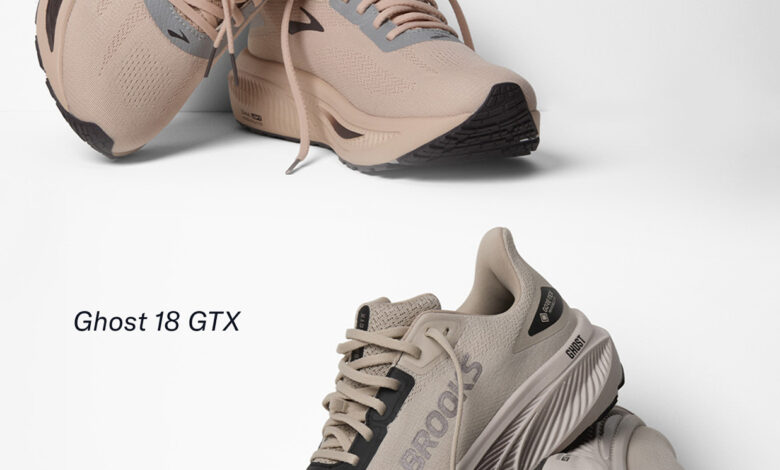
Method: original editorial audit design informed by the linked manufacturer fitting guidance. No retailer survey or measured improvement is claimed. Image: Brooks footwear from the Running Insights image archive, used to illustrate the category.