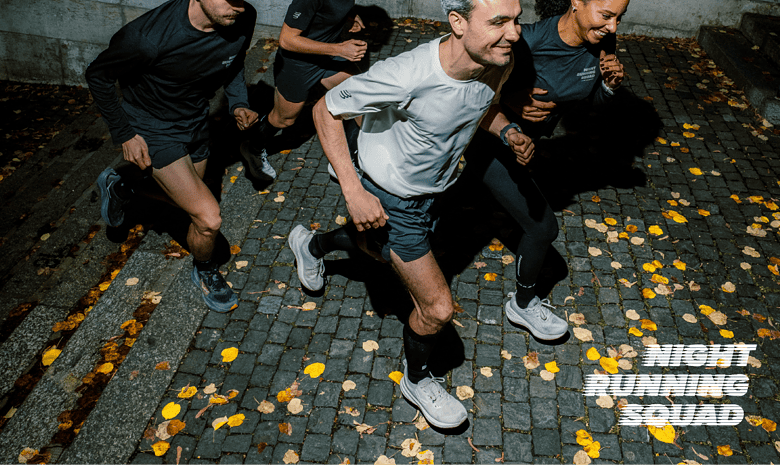


Running should be one of the simplest activities in the world. You put on a pair of shoes, step outside and start moving. There is no requirement to join a club, book a facility or organise equipment beyond what you need for the conditions. Yet for many women, particularly during the darker months, that freedom comes with a set of considerations that other runners may rarely have to think about. Which route is safest? Is there enough lighting? Should someone know where I am going? Would it be better to run with somebody else? These questions are not new. What is changing is the scale of the conversation and the growing determination within running to do something about it.
The latest figures demand attention
Research published by Sport England through its This Girl Can campaign in 2026 revealed that 55% of women feel unsafe exercising outdoors alone after dark. For men, the equivalent figure was 33%. The research also found that 69% of women were concerned about sexual harassment and intimidation when exercising outdoors after dark, compared with 60% in 2023. Those figures should concern everyone involved in the running industry. They indicate that safety is not simply an occasional issue affecting a small number of participants. It is a substantial barrier to participation. For some women, the darker evenings mean changing running routes or arranging to exercise with friends. For others, they mean reducing the amount of time spent running outdoors or stopping altogether until conditions improve. That has consequences for physical activity, wellbeing and the ability to enjoy running throughout the year.



A campaign gathering momentum
England Athletics’ latest figures demonstrate the strength of the response. Its 2026 Let’s Lift the Curfew activities attracted a record 21,340 participants, representing a 58% increase on the previous year. The campaign involved 598 clubs and groups across England. Those numbers are particularly encouraging because they show that the issue is reaching beyond individual runners. Established athletics clubs, social running groups, community organisations and volunteers are coming together to make running after dark more accessible. The campaign has also attracted significant media attention, helping bring the discussion to audiences who might otherwise be unaware of the difficulties women face. But the real measure of success will be whether awareness translates into lasting improvements.
Running clubs have an important role
The growth of social running creates an opportunity to address some of these concerns. A well-organised running group can provide company, familiar routes and a supportive environment for people who might otherwise feel uncomfortable running alone. It can also help newcomers develop confidence. However, simply organising a group run is not enough. Clubs need to consider where they meet, how routes are selected and whether participants of different abilities can remain together. A session advertised as suitable for beginners should not leave slower runners isolated at the back. Clear meeting arrangements, appropriately experienced leaders and sensible communication are all important. The aim should be to make participants feel welcome and supported without creating unnecessary barriers to joining.
Safety is about more than equipment
There is a commercial dimension to running after dark. Head torches, reflective clothing, running lights and other visibility products are established parts of the running equipment market. Retailers have an opportunity to help customers understand which products are suitable for different conditions. A runner using unlit countryside paths may require a different lighting solution from someone exercising on illuminated urban streets. Comfort, battery life, visibility and ease of use all matter. But it would be a mistake to suggest that purchasing additional equipment solves the wider problem. Being visible to road users is important. It does not address harassment, intimidation or the fear of being approached while exercising. The running industry needs to recognise the distinction. Product advice should form part of a wider conversation about practical safety, community support and the right to exercise without fear.
What women say would help
Sport England’s research provides some useful guidance. Better lighting was identified as an important measure by 55% of women, compared with 36% in 2023. Having someone know their location or expected return time was identified by 38%, while the same proportion highlighted being part of an exercise group. These findings suggest that there is no single solution. Improved public infrastructure, supportive communities and practical planning all have roles to play. Local authorities, sports organisations and community groups need to work together. Running brands and retailers can support those efforts, but they should be careful not to present commercial products as substitutes for broader improvements.
An opportunity for retailers to make a difference
Specialist running retailers are often closely connected to their local communities. They know the clubs, event organisers and popular running routes. That places them in a strong position to contribute. A shop might host an organised evening run, work with a qualified leader or provide information about existing local groups. It could support a community campaign or arrange an informative session about winter running. None of these activities needs to be expensive or complicated. What matters is that they respond to genuine local needs. A retailer that helps people feel more confident about running can build a stronger relationship with its customers. But that commercial benefit should be a consequence of doing something useful, rather than the sole reason for getting involved.
Brands should listen before launching campaigns
Running brands have considerable influence through sponsorship, advertising and athlete partnerships. They can help bring attention to women’s experiences and support organisations already working to improve participation. However, campaigns need substance. A promotional message about empowerment means relatively little if it is not accompanied by practical support. Brands could help fund community running sessions, support local organisers or provide resources that enable more women to participate. They could also examine whether their own events and activations are genuinely accessible. Are sessions scheduled at suitable times? Is there clear information about routes and expected pace? Are participants made to feel welcome regardless of experience? These details may appear small, but they can determine whether someone chooses to attend.
The responsibility cannot fall entirely on women
One of the most important aspects of the discussion is recognising that women should not have to carry the entire burden of staying safe. It is reasonable to encourage sensible precautions when exercising outdoors. But the wider objective should be to create environments where fewer precautions are necessary. Sport England’s research found that 58% of men believed they had a role to play in helping women feel safer when exercising outdoors. That is encouraging. Running clubs, event organisers and the wider sporting community can help establish expectations about respectful behaviour. Education and awareness should involve everybody. The responsibility for preventing harassment belongs with those responsible for the behaviour, not with the people affected by it.
The commercial implications
From a business perspective, the issue is also significant. If women reduce their running activity during the darker months because they feel unsafe, the industry is failing to support part of its existing audience. That can affect participation in clubs, events and organised activities. It may also influence consumer engagement with running retailers and brands. But the solution is not simply to encourage women to buy more equipment. It is to help create a running environment in which they feel able to participate consistently. A sport that becomes more accessible throughout the year will be stronger for everyone involved.
Turning awareness into lasting change
The success of Let’s Lift the Curfew demonstrates that there is considerable willingness to address the problem. Thousands of participants and hundreds of organisations have already shown their support. The challenge now is to build on that momentum. One-off events can raise awareness, but regular activities, stronger community relationships and improvements to public spaces can have a more lasting impact. The running industry has an opportunity to make a practical contribution. Retailers can support local groups. Brands can invest in meaningful initiatives. Event organisers can review their own practices. And running communities can make sure that people who join them feel welcome, respected and supported.
Running should belong to everyone
There is something particularly frustrating about the idea that people should have to limit their enjoyment of running because they do not feel safe. Running is supposed to offer freedom. It provides an opportunity to improve fitness, clear the mind and enjoy time outdoors. Those benefits should not depend on gender or the time of year. The latest participation figures show that the running community is increasingly willing to confront the problem. That is an encouraging development. But the next step is more important. The industry needs to move beyond simply recognising the issue and help create the conditions in which more women can run confidently throughout the year. Because the real measure of progress will not be how many people take part in an awareness campaign. It will be how many people feel able to go running when the campaign is over.
Further reading
- England Athletics — Let’s Lift the Curfew
- Sport England — Women’s Safety After Dark
- England Athletics programme