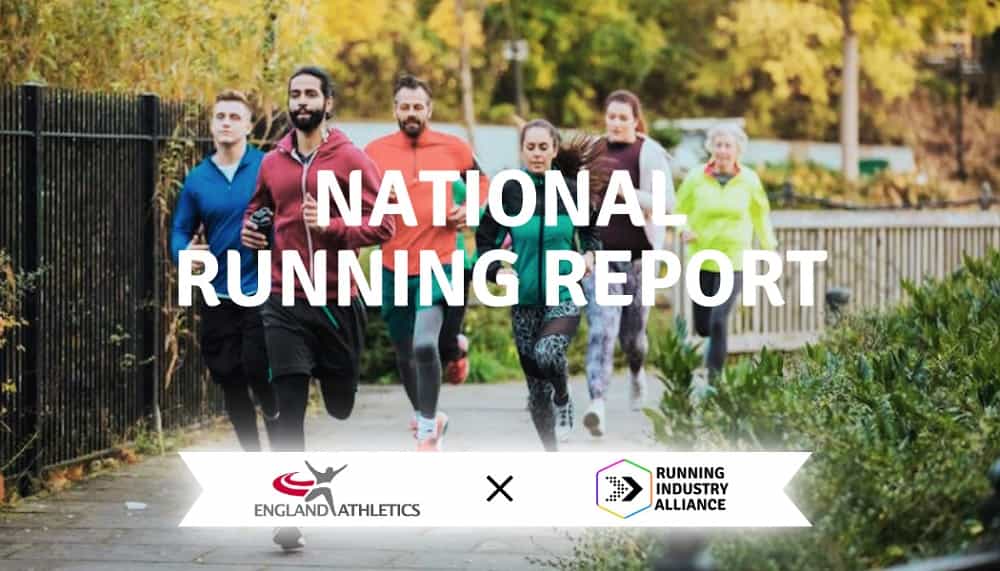


There was a time when joining a running club meant committing to training nights, interval sessions and perhaps a race at the weekend. You turned up, worked hard, and gradually found your place among people who were probably a little faster than you. That world still exists, and it remains an important part of British running. But something rather different has been happening alongside it. Running clubs have become social communities. They are places to meet people, discover a new city, enjoy a coffee, make friends and, occasionally, find a running partner who becomes something more. For the running industry, this is much more than a change in how people exercise. It is changing how runners discover brands, where they buy products and what they expect from retailers.
The numbers tell an interesting story
Strava’s 2025 Year in Sport report revealed that new running clubs on its platform grew 3.5 times year on year. Club-organised events also increased, while the number of clubs across all activities reached one million. That is significant because it suggests that running is no longer simply an individual pursuit supported by technology. Increasingly, technology is helping people find others with whom to run. There is evidence of similar developments in the UK. Data published by Motiv Sports UK in October 2026 showed that more than 82,000 people participated in its events during the year, compared with 63,000 in 2024. What interests me most is not simply the growth in participation. It is the change in motivation. People are entering events because their friends are taking part. They are joining clubs because they want to belong to something. They are discovering running through communities rather than traditional advertising. That creates a different relationship between runners and the businesses serving them.




Running is becoming part of people’s social lives
A successful social running club is rarely just about running. There might be a weekly five-kilometre route, a longer Sunday outing, an organised coffee stop or a social evening. Some groups are built around a particular neighbourhood, while others attract people through music, culture, wellbeing or shared interests. The important point is that people have a reason to return even when they are not training for anything. Traditional running clubs have offered friendship and community for generations, of course. The difference is that today’s newer groups often make the social element the starting point rather than something that develops over time. For people who find conventional athletics clubs intimidating, that can make all the difference. A runner who would never consider joining a competitive club might happily turn up for an easy five kilometres followed by breakfast. Six months later, that same person could be entering their first half marathon, buying specialist footwear and becoming an enthusiastic advocate for the sport. The industry should pay attention to that journey.
An opportunity for independent running retailers
Specialist running shops have always understood the value of community. Many have organised training evenings, supported local races and helped customers prepare for their first events. But the expansion of social running gives them an opportunity to build something much more substantial. Imagine a retailer that becomes the meeting point for several local running communities. One evening might involve a beginners’ group. Another could feature a footwear demonstration. A weekend session might combine a longer run with a discussion about nutrition, injury prevention or preparing for an upcoming race. The commercial opportunity is obvious, but it needs to be approached carefully. People do not want every social run to become a sales presentation. The most successful retailers will be those that offer something genuinely useful and allow the commercial relationship to develop naturally. A runner who feels comfortable visiting a shop for a group run is more likely to return when they need advice about footwear. That relationship can be considerably more valuable than a single discounted sale.
Brands need to think beyond sponsorship
Running brands have been quick to recognise the potential of community activity. Product testing, organised runs, athlete appearances and local partnerships can all introduce products to consumers in an environment where people are already interested in running. But putting a logo on a club T-shirt is not the same as building a relationship. A good partnership should benefit the running community as much as the brand. That might mean helping to cover event costs, providing qualified coaching, supporting new runners or giving clubs access to products they would otherwise struggle to try. It also means recognising that community organisers are doing real work. They are planning routes, managing groups, welcoming newcomers and, increasingly, helping brands reach highly engaged audiences. Their contribution deserves proper recognition.
The danger of becoming too fashionable
There is a risk in every successful trend. As running becomes more closely associated with fashion and lifestyle, some communities could become less welcoming to the very people who helped make them successful. Not everybody owns expensive running shoes or wants their Sunday morning photographed for social media. Some people are nervous about their pace. Others are returning from injury, managing a disability or simply trying to become more active. If social running becomes another environment in which people feel they must look or perform a certain way, it will lose much of what makes it attractive. The strongest clubs will remain those where people can turn up as they are. For brands and retailers, inclusivity should therefore be part of the experience rather than simply a marketing message.
What happens next?
I suspect we are still relatively early in the development of community-led running. There is room for closer relationships between clubs and retailers, more local events, better beginner programmes and greater cooperation between commercial brands and established athletics organisations. There is also an opportunity to bring people into the sport who have never previously considered themselves runners. That matters because long-term growth depends on more than selling another pair of shoes to someone who already owns five pairs. It depends on encouraging people to start running, helping them enjoy it and giving them reasons to continue. Running clubs are proving particularly effective at doing exactly that. The running industry has spent decades talking about performance, speed and personal achievement. Those things will always matter. But perhaps the most important development in running right now is that people are discovering they do not have to do it alone.
Further reading