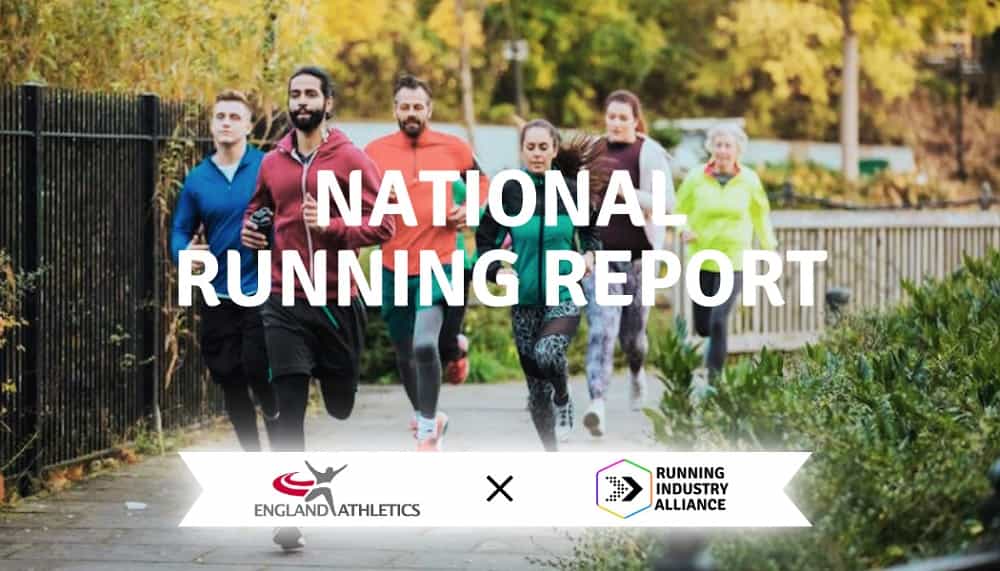


For a long time, the running industry has been particularly good at talking to people who already take running seriously. We understand the language of personal bests, marathon training, carbon-plated footwear and marginal gains. We know how to market a shoe to someone trying to take three minutes off their half-marathon time. But what about the person who runs twice a week, goes to the gym occasionally, enjoys a weekend walk and has absolutely no interest in entering a race? That person is becoming increasingly important to the future of the running market. And, judging by the latest participation research, the industry needs to pay much closer attention.
A different type of runner
The Outdoor Industry Association’s 2026 Running Report paints an interesting picture of participation in the United States. Road running reached 52.3 million participants in 2025, while casual running participation was growing at approximately 7% annually. At the same time, participation among more committed core runners declined by 1.1%. Those figures do not mean serious running is disappearing. Far from it. What they suggest is that the market is broadening beyond people who consider running their main sporting activity. Increasing numbers of consumers are incorporating running into a much wider approach to fitness and wellbeing. They might run on Monday, attend a fitness class on Wednesday and spend Saturday hiking. They do not necessarily belong to a traditional running club, follow a structured training programme or measure every session against a previous performance. Nevertheless, they buy running shoes, technical clothing and accessories. And there are a lot of them.




The problem with traditional marketing
Walk into many running shops or browse a performance footwear website and the conversation quickly turns to speed. Shoes are promoted through energy return, race-day performance, weight reduction and increasingly sophisticated technologies. There is nothing wrong with that. Innovation is one of the reasons the running footwear market remains so interesting. But not everybody buying running shoes is looking for a competitive advantage. Some customers want something comfortable for a five-kilometre jog. Others need a shoe suitable for occasional running and everyday use. For these consumers, comfort, fit, durability, appearance and versatility may matter considerably more than race-day performance. The industry risks overlooking a substantial audience if it assumes everybody wants to become a faster runner.
Running as part of a wider lifestyle
One of the more revealing findings in the Outdoor Industry Association research concerns crossover participation. Running is increasingly combined with activities including hiking, walking, gym training, treadmill exercise and yoga. Strava’s 2025 Year in Sport report supports the broader picture, finding that 54% of its users recorded multiple activities. This matters because the traditional boundaries between sporting categories are becoming less important to consumers. Someone might buy a pair of running shoes for short weekday sessions but also wear them for travelling, walking and everyday activities. They may own one technical jacket that works for several different forms of exercise. Their purchasing decisions are based on how products fit into their lives, not necessarily how they fit into a particular sporting discipline. That creates an opportunity for retailers willing to look beyond conventional product classifications.
The opportunity for specialist running shops
Independent running retailers have a significant advantage when dealing with these customers. They can offer advice. A new or occasional runner may be unsure whether they need a stability shoe, how much cushioning is appropriate or whether a more expensive model would provide any meaningful benefit. The best retailers can explain these differences without making customers feel inexperienced. That last point is particularly important. Specialist knowledge is valuable, but it can also be intimidating when delivered in the wrong way. A customer who walks into a running shop should not feel that they need to have completed a marathon to justify being there. The retailer’s job is to understand what that person wants to achieve. Sometimes the right recommendation will be a highly technical performance shoe. Sometimes it will be a comfortable, dependable everyday trainer. Both customers deserve the same quality of service.
A wider product opportunity
The growth of casual participation could also influence how retailers approach buying and merchandising. Comfortable daily trainers, versatile technical clothing, accessible accessories and products suitable for several activities may become increasingly important. That does not mean specialist retailers should abandon performance equipment. Their technical credibility is often what distinguishes them from general sports retailers. The opportunity lies in presenting a broader selection without losing that expertise. For example, a retailer could organise footwear around the customer’s intended use rather than relying entirely on technical categories. There could be clear choices for beginners, everyday running, longer distances and faster training. The language should be straightforward. Customers should understand why a product might suit them without needing to study a list of unfamiliar technologies.
The role of brands
Running brands face a similar challenge. The industry has spent years building compelling stories around elite athletes and record-breaking performances. Those stories remain valuable, but they are not necessarily the most effective way to communicate with an occasional runner. For someone starting a running routine, an approachable message about comfort, enjoyment and consistency may be more relevant. There is also room for more realistic representation. Not every running campaign needs to feature an athlete moving effortlessly through a dramatic landscape. A person completing their first twenty-minute run after work has a story worth telling too. Brands that understand this can build relationships with consumers much earlier in their running journeys.
Why consistency matters more than intensity
The commercial importance of the everyday runner is not simply about attracting new customers. It is about helping them continue. Someone who begins running enthusiastically but gives up after six weeks is unlikely to become a long-term customer. Someone who finds a manageable routine and continues for several years may buy multiple pairs of shoes, replace clothing and gradually explore new products. That makes retention important. Retailers, brands and running organisations can support it through beginner-friendly events, practical advice and communities that do not make performance a condition of belonging. The objective should be to help people enjoy running on their own terms.
A market that is becoming more inclusive
There is a tendency within sport to judge participation by commitment. The runner training six days a week is often seen as more serious than someone jogging twice a week. But from an industry perspective, both are participants. And from a health and wellbeing perspective, occasional running can still be valuable. We should be careful not to create a hierarchy that discourages people from taking part. Running does not have to dominate someone’s life to be meaningful.
Looking ahead
The running industry will always need innovation, technical expertise and elite performance. Those elements help drive the sport forward. But the next stage of market development may depend just as much on understanding people who are not interested in racing. They want to feel fitter, spend time outdoors, improve their wellbeing or simply enjoy half an hour away from their daily routine. They may never buy a carbon-plated racing shoe. That does not make them any less important. The everyday runner represents an opportunity to build a larger, more sustainable market by making running accessible, enjoyable and relevant to a wider audience. For brands and retailers willing to listen, that could prove every bit as valuable as the next breakthrough in performance technology.
Further reading