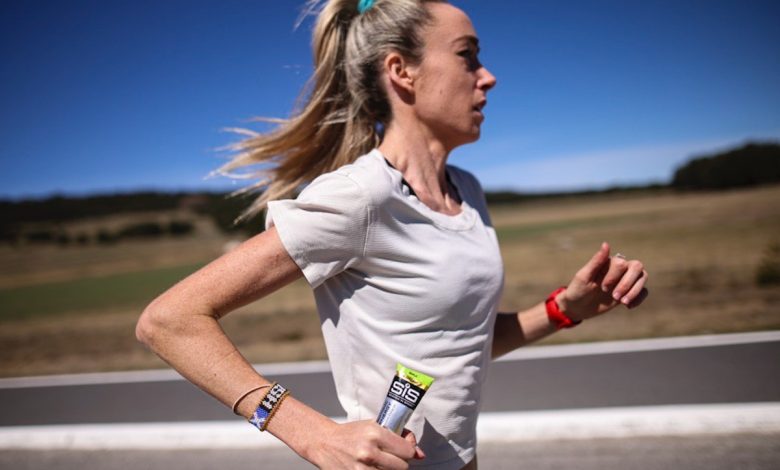

Commonwealth Games champion Eilish McColgan has been appointed by Science in Sport as a member of its newly established Elite Performance Advisory Panel, helping provide athlete insight to inform future performance research and education initiatives.
The performance nutrition brand, founded in 1992, is bringing together a network of world-class athletes to provide real-world perspectives on the challenges facing elite performers, working alongside Science in Sport’s Science Advisory Panel to help identify areas where further research and innovation could have the greatest impact.




McColgan’s appointment to the role, which deepens her existing ambassadorial relationship with the brand, comes amid growing concern around what many researchers describe as a significant imbalance in sports science, with less than five per cent of elite performance research historically focused on female athletes.
The warning comes weeks after Sabastian Sawe became the first man in history to run a sanctioned marathon in under two hours, with McColgan arguing that female runners risk being left behind if sports science continues to prioritise male physiology over a deeper understanding of the unique demands of female performance.

McColgan said women’s sport had outpaced its own science.
“The performances, the visibility, the investment – it’s all moving in the right direction. But the science hasn’t kept pace,” she said.
“We have research coming that I genuinely believe could be as transformative for female runners as the super shoe revolution was for distance running.”

Science in Sport is set to publish a study later this year on elite female marathon runners that it says could help reshape fuelling recommendations for female endurance athletes. Findings from a parallel study on male runners have shown that consuming 120 grams of carbohydrate per hour improved running economy by three per cent, a performance gain that could translate into several minutes over the course of a marathon.
McColgan added:
“The challenge we face is that sports performance research is overwhelmingly based on male cohorts, which ignores important aspects of female physiology, including the impact of the menstrual cycle on performance and recovery.
“I’m excited to join Science in Sport’s Elite Performance Advisory Panel and help ensure the athlete perspective is represented when identifying the questions that matter most. For me personally, this work will also play an important role in how I approach training and racing.”
Professor James Morton, Science in Sport’s Chief Science Officer, said:
“Eilish brings invaluable experience as one of the world’s leading endurance athletes. Through the Elite Performance Advisory Panel, she’ll help us better understand the real-world challenges athletes face and highlight areas where science can have the greatest impact.
“That athlete insight, combined with the expertise of our Science Advisory Panel, will help shape future research priorities and educational initiatives. The findings from our recent male marathon study, where athletes improved running economy by three per cent when consuming 120 grams of carbohydrate per hour, demonstrate the scale of performance gains that can be unlocked through targeted research.
“Our belief is that the next frontier in endurance performance will come not simply from applying existing knowledge to female athletes, but from building a deeper understanding of female physiology in its own right.”